
Blog

Blog
Blog

Blog

Waco VisionSource Blog
Learn more about care in our blog!

Why do we need to blink so often? If you take a moment to tally your blinks over a minute without altering your natural rhythm, you'll likely find that an adult blinks between ten to twenty times each minute, with each blink lasting only about a tenth of a second. Blinking: A Natural Eye Refreshm...

Before you seek a sun-kissed glow, understand the perils of indoor tanning booths. These risks extend beyond skin health to encompass serious threats to our eyes. A coalition of medical professionals, including physicians, dermatologists, surgeons, and eye specialists, recently testified before C...

Frequent headaches can stem from unexpected sources, including vision problems. If you find yourself grappling with recurrent headaches, we recommend scheduling an eye examination to investigate potential vision-related factors. While headaches can arise from diverse origins and not all are linke...

Happy Workplace Eye Wellness Month! There's no better time to delve into the topic of maintaining eye safety in various occupational environments. The nature of eye hazards varies greatly depending on the type of work one engages in. While manual labor positions may expose individuals to direct d...
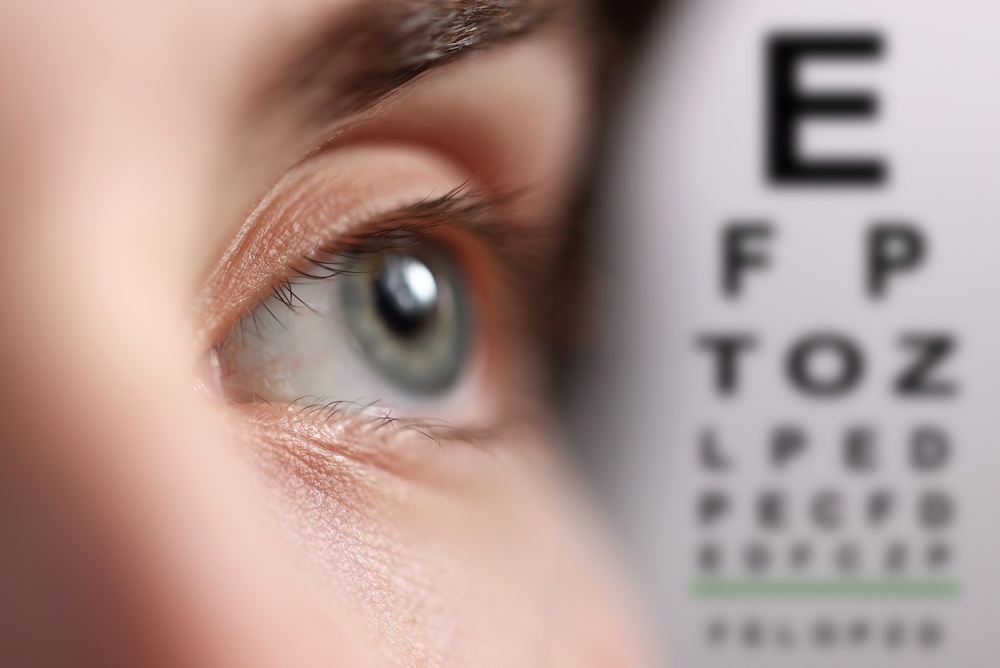
About one in five adults in the United States has an undiagnosed eye condition. This underscores the critical importance of regular eye exams for maintaining optimal vision health. For those who have never undergone an eye exam, it's natural to feel uncertain about the process. However, we're her...

The world of optometry is evolving, and with advancements in technology, new solutions such as Neurolenses are emerging. This innovative technology can potentially revolutionize how you care for your eyes, but what exactly are Neurolenses?

The impact of glasses and contact lenses, despite their small size, is profound. If you wear glasses or contacts, you likely recall the transformative moment when donning them let you to make out individual blades of grass and leaves on trees. Clear vision is essential for a multitude of daily ta...
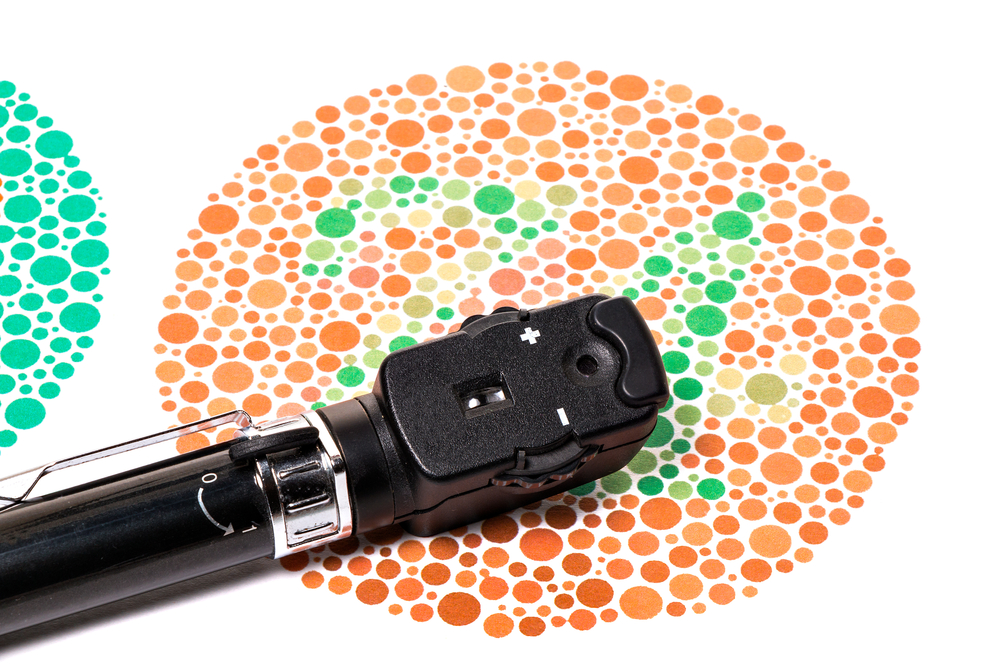
Color blindness isn't all black and white. Despite common misconceptions, color blindness doesn't equate to seeing the world like a black and white movie. In fact, most individuals with color blindness can perceive some colors, albeit with varying degrees of vividness. Let's delve into the three ...

Eyes, the windows to the soul, captivate us with their myriad colors and expressions. Yet, there exists a phenomenon that elevates ocular allure to a whole new level—heterochromia. In this blog post, we embark on a fascinating journey into the intriguing world of mismatched eyes, exploring its ...

Are your eyes playing tricks on you? When staring at an optical illusion, it often feels that way. The intriguing world of optical illusions goes beyond mere visual deception; it delves into the intricate workings of our visual system, revealing that what we see is not solely a function of our ey...


Let’s Keep in Touch! Contact us


Powered by: