
Why Does the Late Summer Heat in Waco Make Your Dry Eye Inflammation Flare Up?

Why Does the Late Summer Heat in Waco Make Your Dry Eye Inflammation Flare Up?
Why Does the Late Summer Heat in Waco Make Your Dry Eye Inflammation Flare Up?

Why Does the Late Summer Heat in Waco Make Your Dry Eye Inflammation Flare Up?

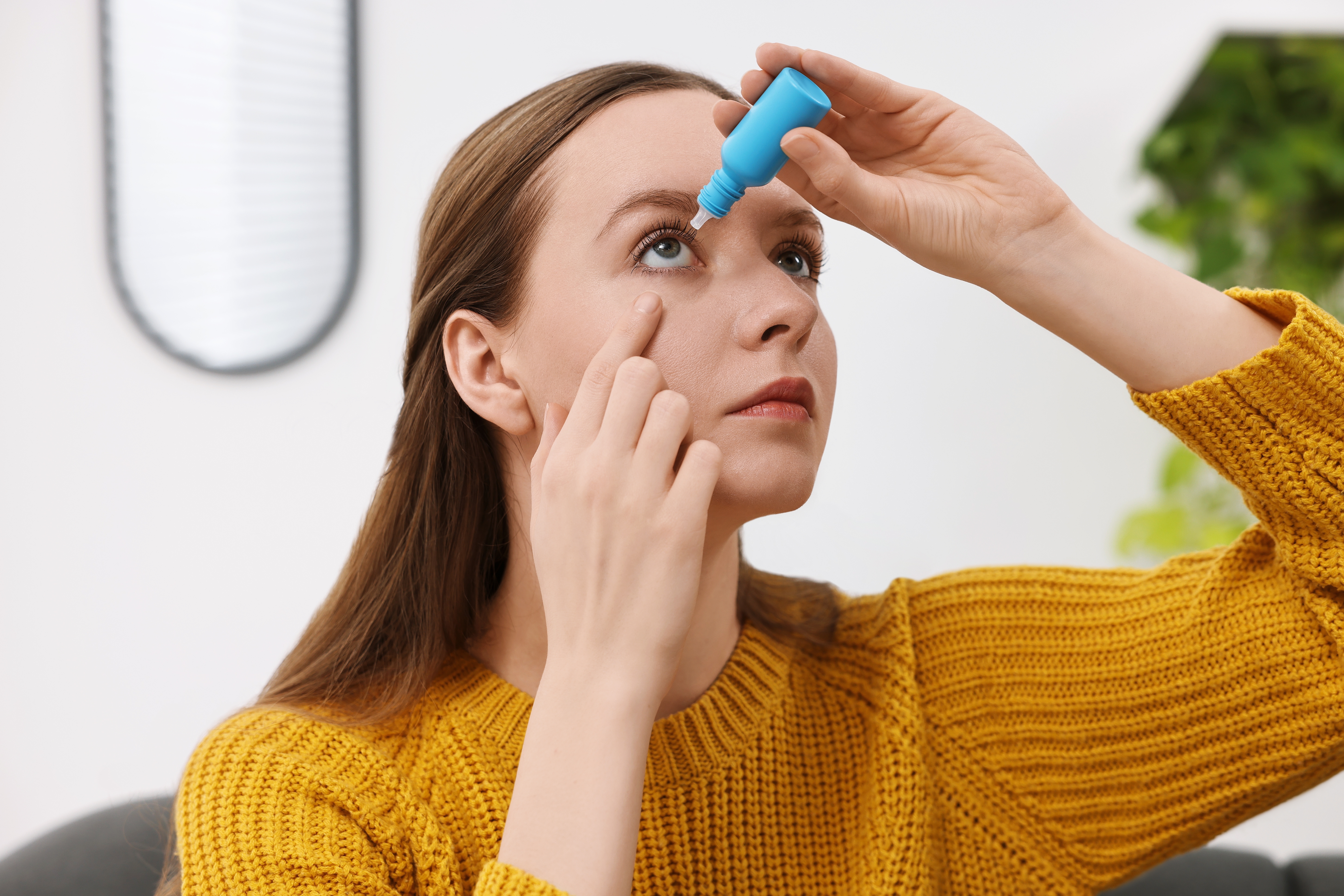
Late summer in Waco brings intense heat, bright sunlight, outdoor allergens, and increased reliance on air conditioning. For people with dry eye disease, moving between hot outdoor conditions and cool indoor spaces can leave the eyes feeling irritated, gritty, watery, or sensitive to light.
Heat alone is not always the direct cause of a dry eye flare. The combination of faster tear evaporation, dry indoor airflow, wind, screen use, and underlying inflammation can disrupt the tear film. At Waco Vision Source, we evaluate these contributing factors to help patients understand why their symptoms keep returning.
Heat Can Destabilize Your Tear Film
Every time you blink, a thin tear film spreads across the front of your eyes. Its outer oil layer helps prevent the watery portion from evaporating too quickly. When that protective layer is weak, the tear film can break apart before the next blink, leaving areas of the eye exposed and irritated.
Late-summer heat often means more time near fans, car vents, and air-conditioning systems. Constant airflow removes moisture from the eye surface and accelerates evaporation. Windy and dry environments are also recognized triggers for dry eye symptoms.
Air Conditioning Creates a Second Challenge
Air conditioning offers relief from Waco’s heat, but it lowers indoor humidity and circulates dry air. Sitting beneath a ceiling vent or directly in front of a car’s air conditioner can make burning and fluctuating vision more noticeable.
The change between outdoor heat and cool indoor air may be especially uncomfortable for people with meibomian gland dysfunction. These small glands along the eyelids produce oils that stabilize tears. When the glands become blocked or their oils thicken, tears evaporate too quickly and the eye surface becomes easier to irritate.
Why Dryness and Inflammation Feed Each Other
Dry eye disease often involves a cycle. An unstable tear film exposes and stresses the eye surface, which can contribute to inflammation. That inflammation may then interfere with tear production and oil gland function, causing symptoms to continue.
A flare may include:
- Burning, stinging, or a gritty sensation
- Red or irritated eyes
- Excessive watering caused by surface irritation
- Blurry vision that temporarily clears after blinking
- Light sensitivity or tired eyes
- Discomfort while wearing contact lenses
- Symptoms that worsen near fans, vents, or digital screens
Persistent symptoms deserve an evaluation because allergies, eyelid inflammation, medications, contact lens wear, and several health conditions can also contribute to dry eye.
Screen Time Adds to Late-Summer Discomfort
Many Waco residents spend more time indoors and on digital devices when outdoor temperatures become uncomfortable. Concentrating on a computer, tablet, or phone can reduce how often and how completely you blink. This prevents fresh tears and protective oils from spreading evenly across the eyes.
Taking regular screen breaks, blinking deliberately, increasing indoor humidity, and redirecting fans or vents away from your face can help reduce environmental stress. Wraparound sunglasses can also protect the eyes from outdoor wind and airborne irritants. These steps support comfort, but they may not be enough when an underlying gland or inflammatory problem is present.
Treating More Than Temporary Symptoms
Artificial tears can replace moisture temporarily, but recurring late-summer flares may require a more personalized approach. A dry eye evaluation examines the tear film, eyelids, oil glands, eye surface, symptoms, health history, and daily environment.
Waco Vision Source offers epi-c plus, which combines low-level light therapy and intense pulsed light technology. The treatment is designed to warm obstructed glands, support healthier oil flow, and address inflammation associated with meibomian gland dysfunction and other ocular surface conditions. A complete treatment course commonly involves multiple sessions based on the patient’s examination findings.
Stop letting Waco’s late-summer heat control your eye comfort. Schedule a dry eye evaluation with Waco Vision Source at 1000 W Highway 6, Suite 210, Waco, TX 76712, or call or text (254) 776-8119.


Let’s Keep in Touch! Contact us


Powered by: